From coastal gateway to eternal capital
Every transfer from FCO to the city center follows a route shaped by ports, rail ambitions, ring roads, and the evolving life of modern Rome.
Table of Contents
Before FCO: Rome and its coastal gateways
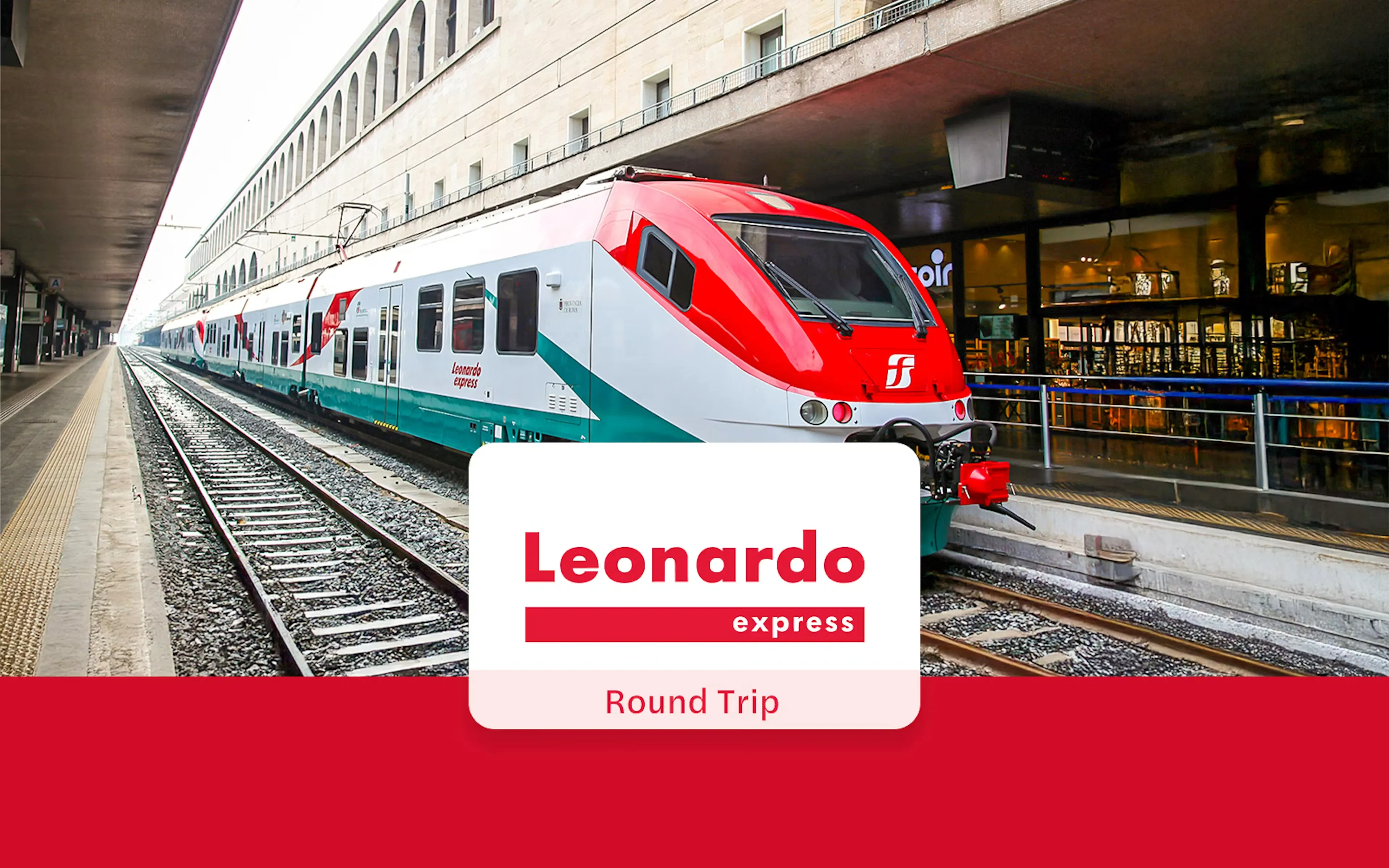
Long before Fiumicino became a household name on departure boards, Rome already depended on coastal gateways for trade, grain, military movement, and diplomatic exchange. In imperial times, nearby port systems such as Ostia and Portus connected the city to Mediterranean routes, feeding both everyday markets and the machinery of empire. Even then, the logic was familiar: people and goods arrived at the coast, then moved inland toward the urban heart by whatever infrastructure the era could sustain.
That same geographic logic survives in modern form. Today’s transfer from FCO to Rome center follows a contemporary version of an ancient pattern: coastal entry, inland distribution, and centralized urban convergence. What changes are the tools—high-capacity rail, coach operations, digital ticketing, and integrated mobility networks—but the core movement remains surprisingly constant across centuries.
How Fiumicino became Rome’s main airport
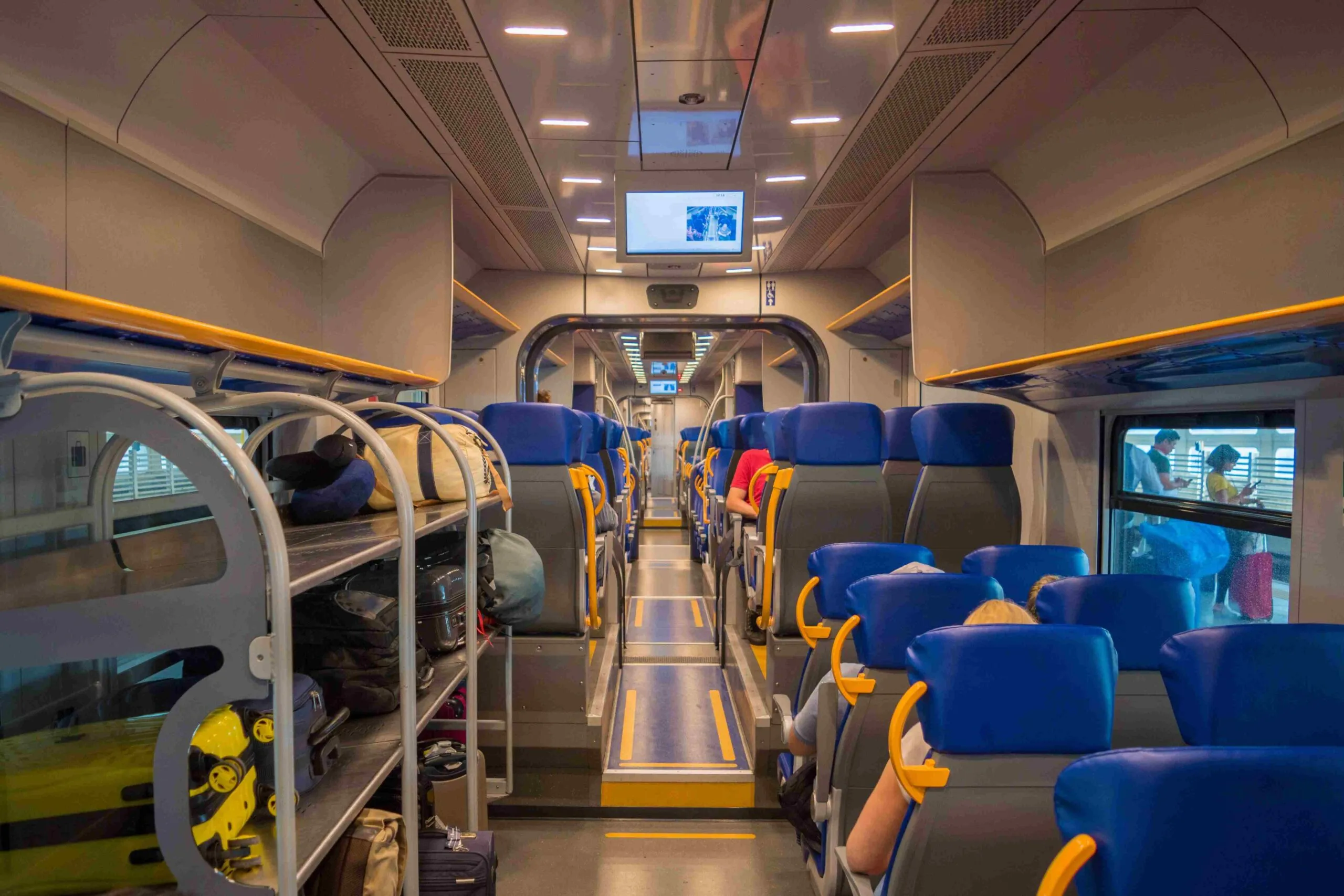
Rome’s aviation story expanded dramatically in the post-war decades, as international tourism, business travel, and long-haul routes grew faster than older airport facilities could comfortably handle. Fiumicino, officially Leonardo da Vinci Airport, developed as the city’s primary global gateway, built to process larger aircraft volumes and increasingly complex passenger flows.
As terminals expanded and airlines multiplied, one truth became obvious: the airport itself was only half the equation. The other half was reliable movement into central Rome. Every improvement in airport capacity increased pressure on transfer systems, pushing planners and operators to strengthen rail links, coach logistics, and intermodal coordination so arrivals could disperse efficiently.
Rail links and the rise of airport express travel
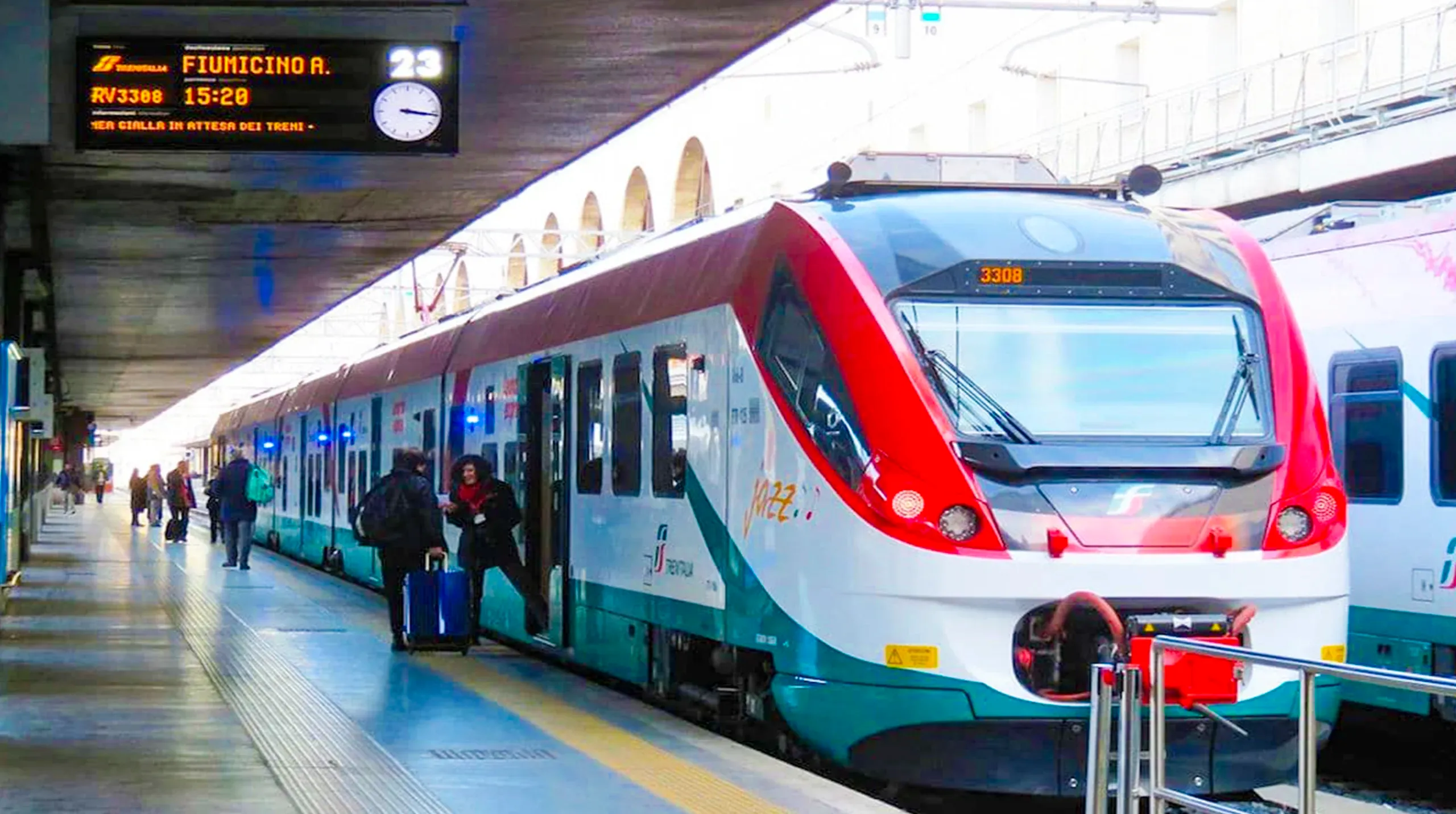
Airport rail changed traveler expectations in Rome. Instead of negotiating uncertain road traffic after a long flight, passengers gained a direct, timetable-driven corridor into the city. The Leonardo Express emerged as a symbolic and practical backbone: a non-stop link designed for simplicity, with minimal decision points between platform and destination.
Regional trains added another layer of utility by serving additional urban nodes beyond Termini, connecting travelers to districts that are not best reached through the central station. This dual structure—premium express and wider regional network—created a transfer ecosystem that supports both speed-first and cost-first strategies.
Highways, coaches, and the road to Termini
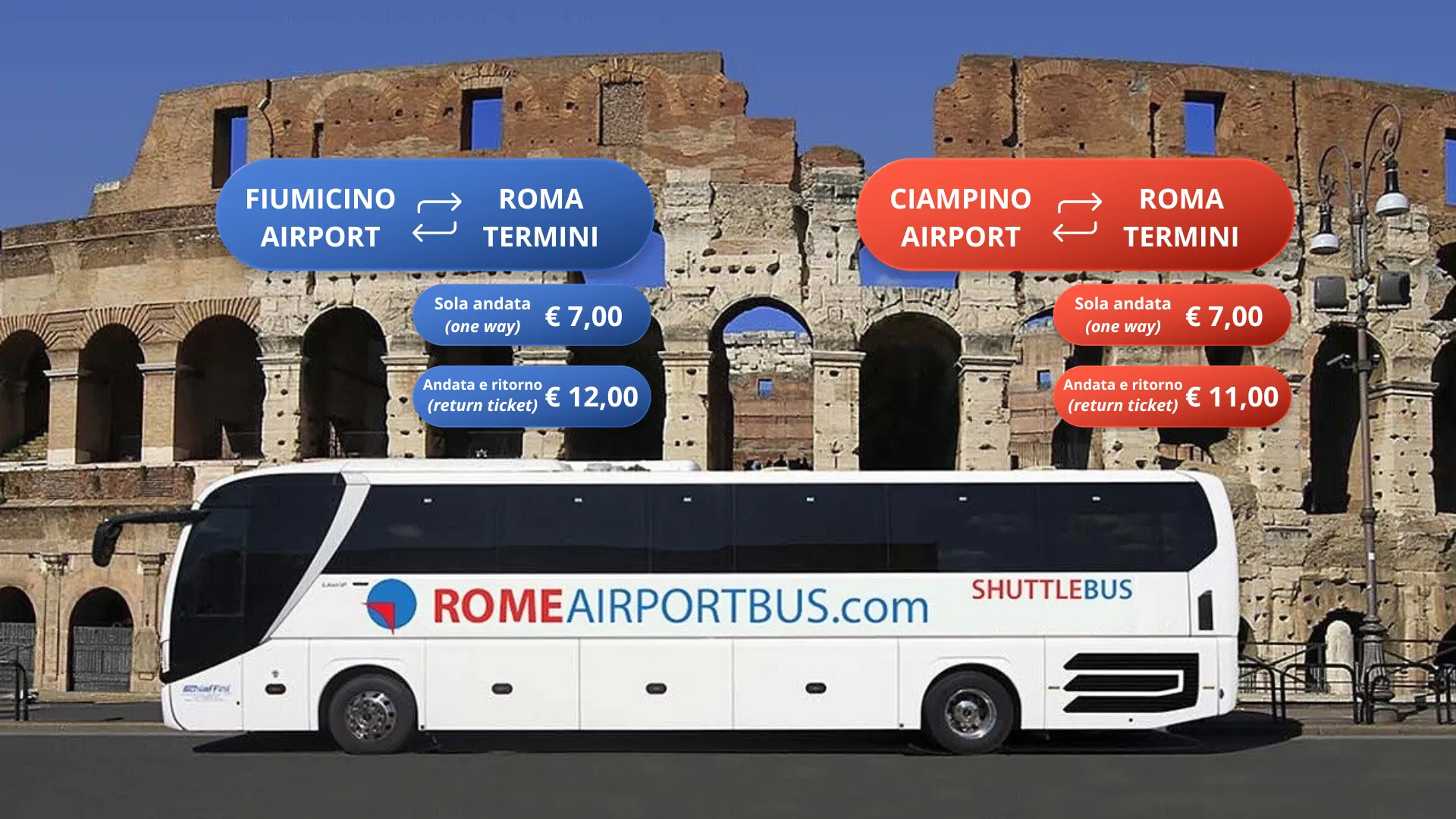
Road transfers have remained essential because they offer broad access, visible pricing tiers, and flexible boarding for travelers with heavy luggage, family groups, or accommodation needs not perfectly aligned with rail stations. The highway axis between Fiumicino and Rome has gradually become one of the city’s most traveled arrival corridors.
Coach operators evolved from simple point-to-point service into a competitive market with varying stop patterns, comfort levels, and reservation policies. For many visitors, especially budget travelers and students, these buses represent an accessible bridge between international arrival and neighborhood-level exploration.
The modern transfer ecosystem
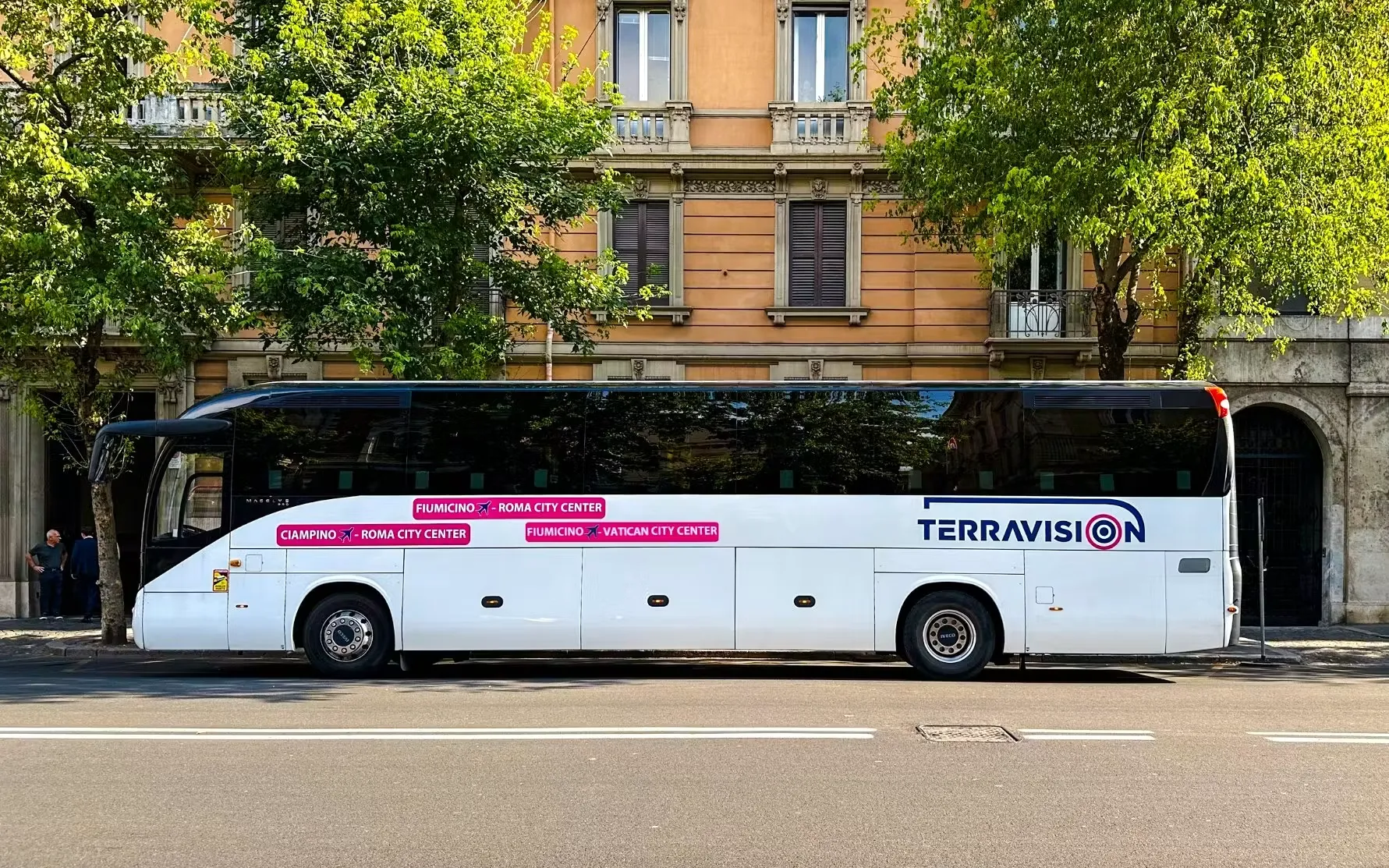
Today, Fiumicino-to-center travel is not one service but an ecosystem: express rail for speed, regional rail for network flexibility, coaches for value, and private or shared rides for tailored convenience. Digital booking platforms have made these choices easier to compare, but they have also increased the need for clear guidance so travelers understand trade-offs before buying.
Interesting fact: in peak tourism windows, a difference of just 15 minutes in planned departure can significantly change your real door-to-door arrival time, especially for road options. That is why experienced travelers increasingly think in terms of total journey chain—airport exit, wait time, transfer duration, final-mile movement—not just advertised in-vehicle minutes.
Why Termini remains the key urban hinge
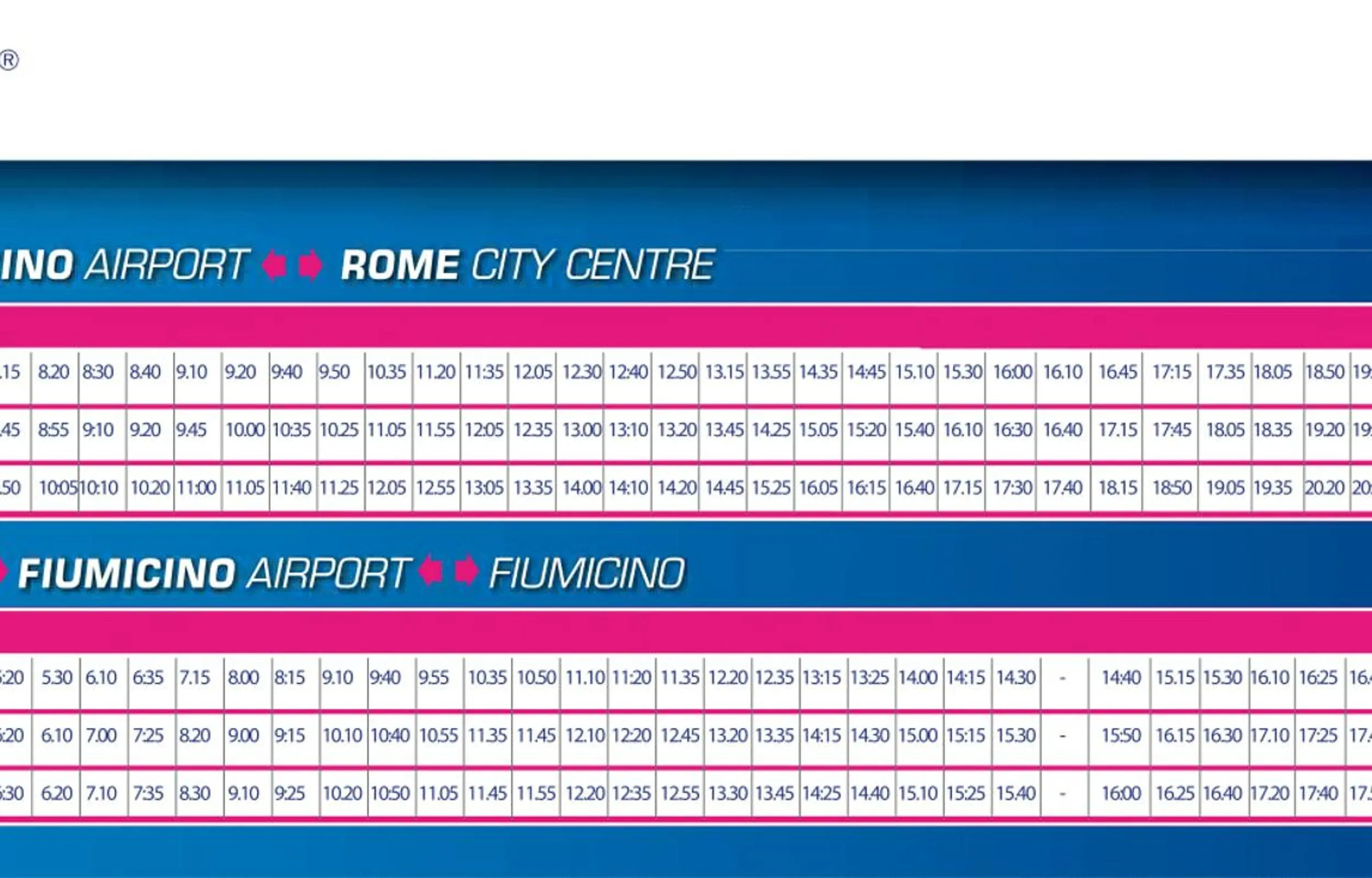
Roma Termini is more than a station: it is a mobility hinge where airport arrivals connect to metro lines, regional trains, taxis, buses, and walkable hotel zones. Its strategic role explains why so many transfer products prioritize it as a final stop even when travelers continue elsewhere.
For first-time visitors, Termini’s scale can feel intense, but it offers a practical advantage: almost every onward transport pattern starts from here. In operational terms, concentrating flows at a major node increases resilience and gives passengers multiple backup options if one leg of the plan changes.
Passengers, seasons, and city rhythms
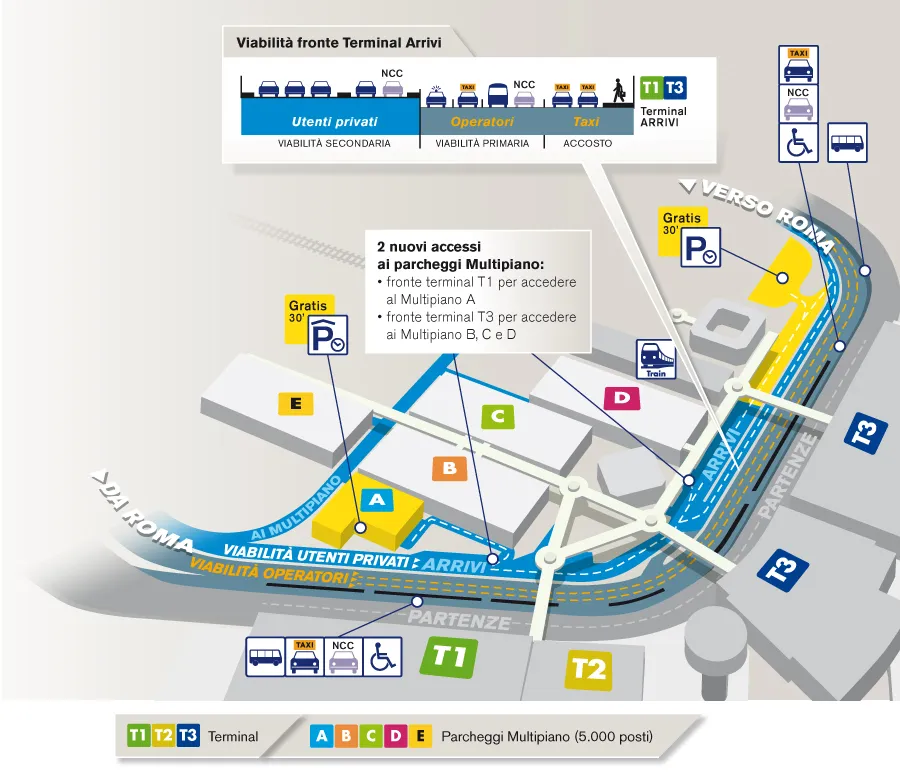
Rome’s transfer rhythm changes throughout the year. Spring and autumn bring high tourism demand with relatively stable weather; summer adds heat and dense flight schedules; winter introduces holiday peaks and occasional disruptions. Each season influences queue length, road congestion, and platform pressure in measurable ways.
Seasoned travelers adapt by choosing service types strategically: express rail for predictability at rush moments, buses for cost efficiency in lower-pressure windows, and pre-booked shuttles for comfort during family or group arrivals. The transfer is short on paper, but timing intelligence makes a real difference in lived experience.
Crowds, safety & accessibility
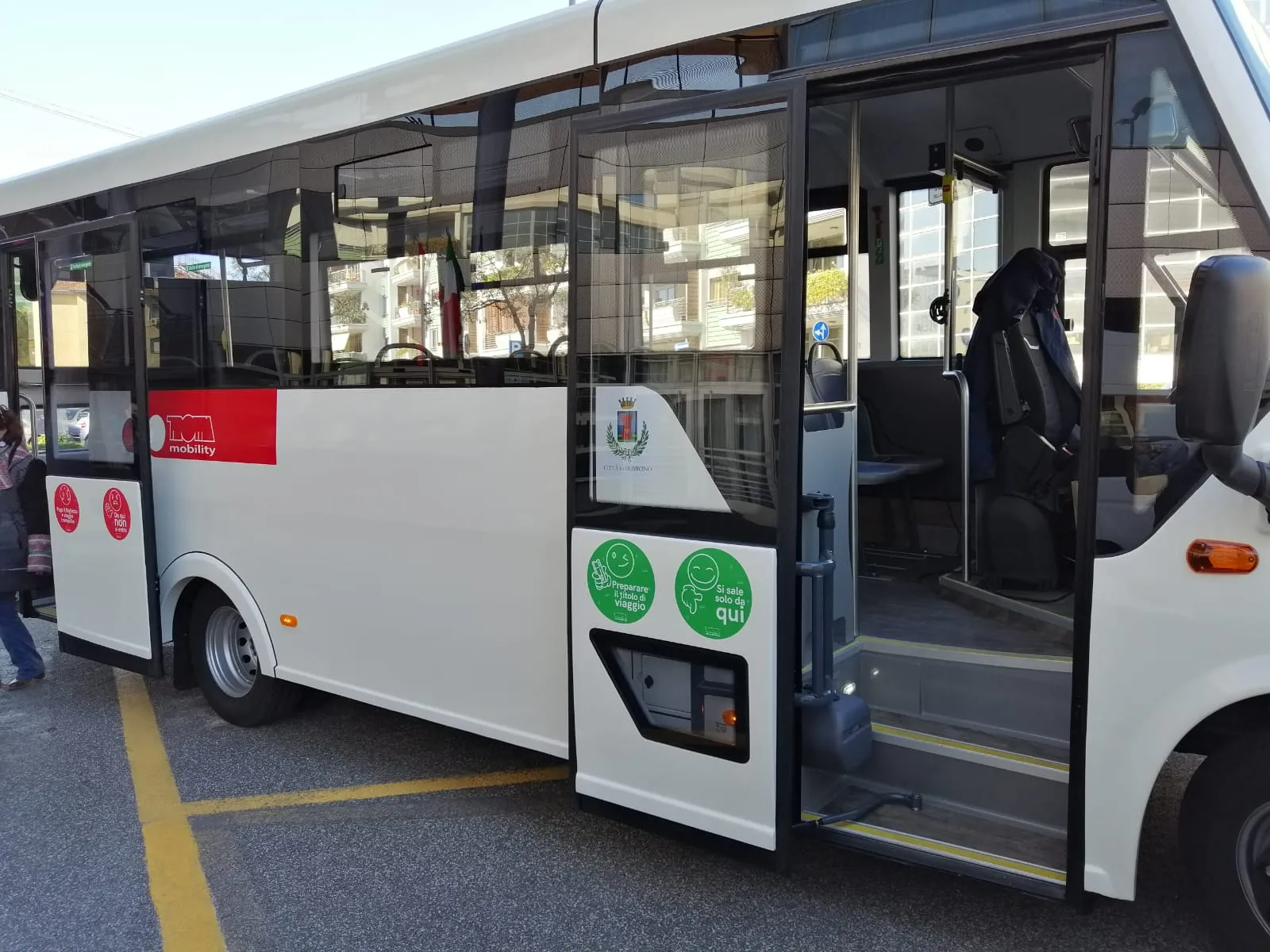
Like every major international gateway, Fiumicino can become crowded at wave arrival times. Keep belongings close, follow official signage, and rely on marked operator zones rather than unsolicited offers. Simple habits—confirming your ticket details, checking bay numbers, and keeping your accommodation address visible—reduce errors dramatically.
Accessibility has improved significantly across airport and city transfer infrastructure, but real-world conditions still vary by route, rolling stock, and final stop environment. Travelers with specific mobility needs get the best outcomes by requesting assistance in advance and confirming service compatibility before departure day.
Local life along the arrival corridor
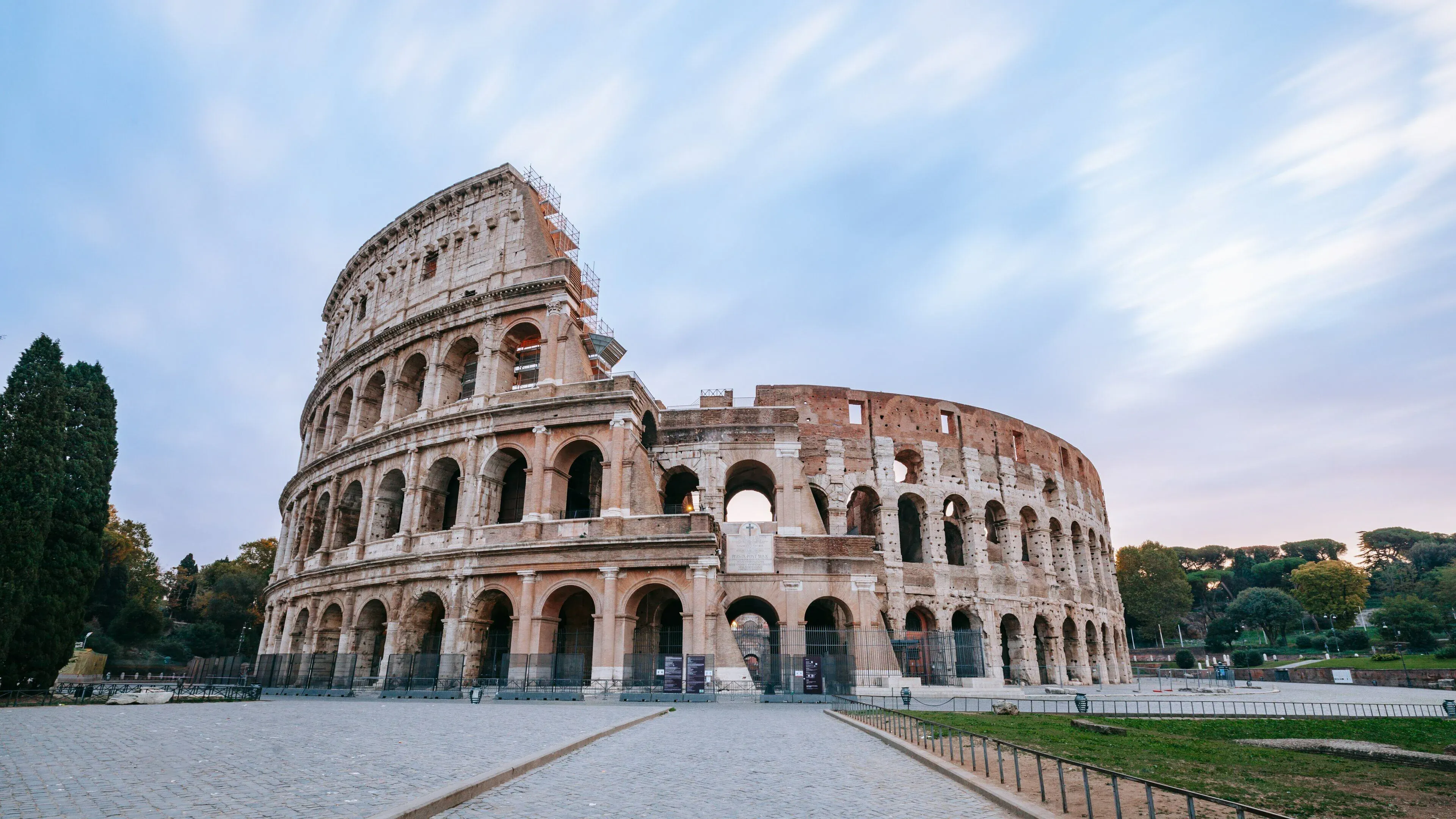
Even on an airport transfer, you glimpse fragments of Roman daily life: commuting workers, neighborhood stations, layered architecture, and the visual contrast between modern logistics zones and centuries-old urban fabric. The journey quietly introduces the city’s personality before you visit a single monument.
Interesting fact: many locals use parts of the same mobility network as visitors, especially regional rail interchanges and central bus corridors. This overlap means airport transfer systems are not isolated tourist channels; they are deeply woven into the city’s broader transport heartbeat.
How to choose smartly today
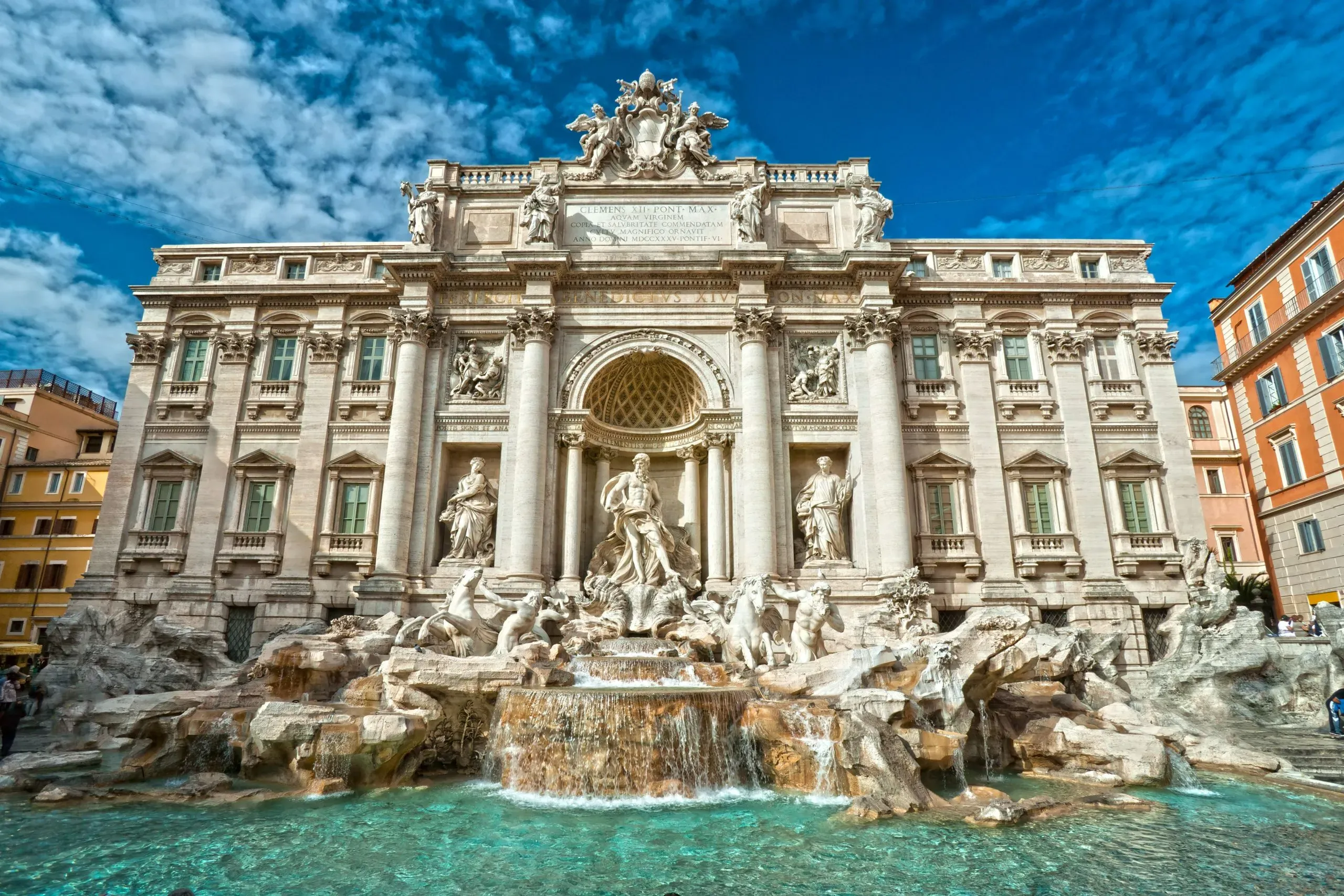
Smart transfer planning starts with your true final destination, not just ‘Rome center’ as a generic label. If you stay near Termini, Leonardo Express is often unmatched for simplicity. If you stay near another rail-linked district, regional trains may reduce total transit time. If you prioritize budget and have flexible timing, shuttle buses are often excellent value.
Also weigh practical variables: number of bags, arrival time, kids, mobility needs, and tolerance for route changes. The best choice is rarely the one with the lowest sticker price alone; it is the one that minimizes friction across the full arrival chain from baggage claim to hotel check-in.
Sustainability and future mobility
As passenger numbers rise, transfer planning increasingly includes sustainability goals: better rail share, cleaner bus fleets, smoother interchanges, and fewer inefficient empty runs. Airport-to-city transport is becoming a key test area for how major destinations can reduce emissions without reducing accessibility.
Rome’s future transfer landscape will likely depend on continuous investment in rail reliability, real-time passenger information, and integrated ticket ecosystems. Travelers benefit directly when these systems work well: fewer delays, clearer choices, and a gentler environmental footprint per journey.
Alternative drop-off strategies
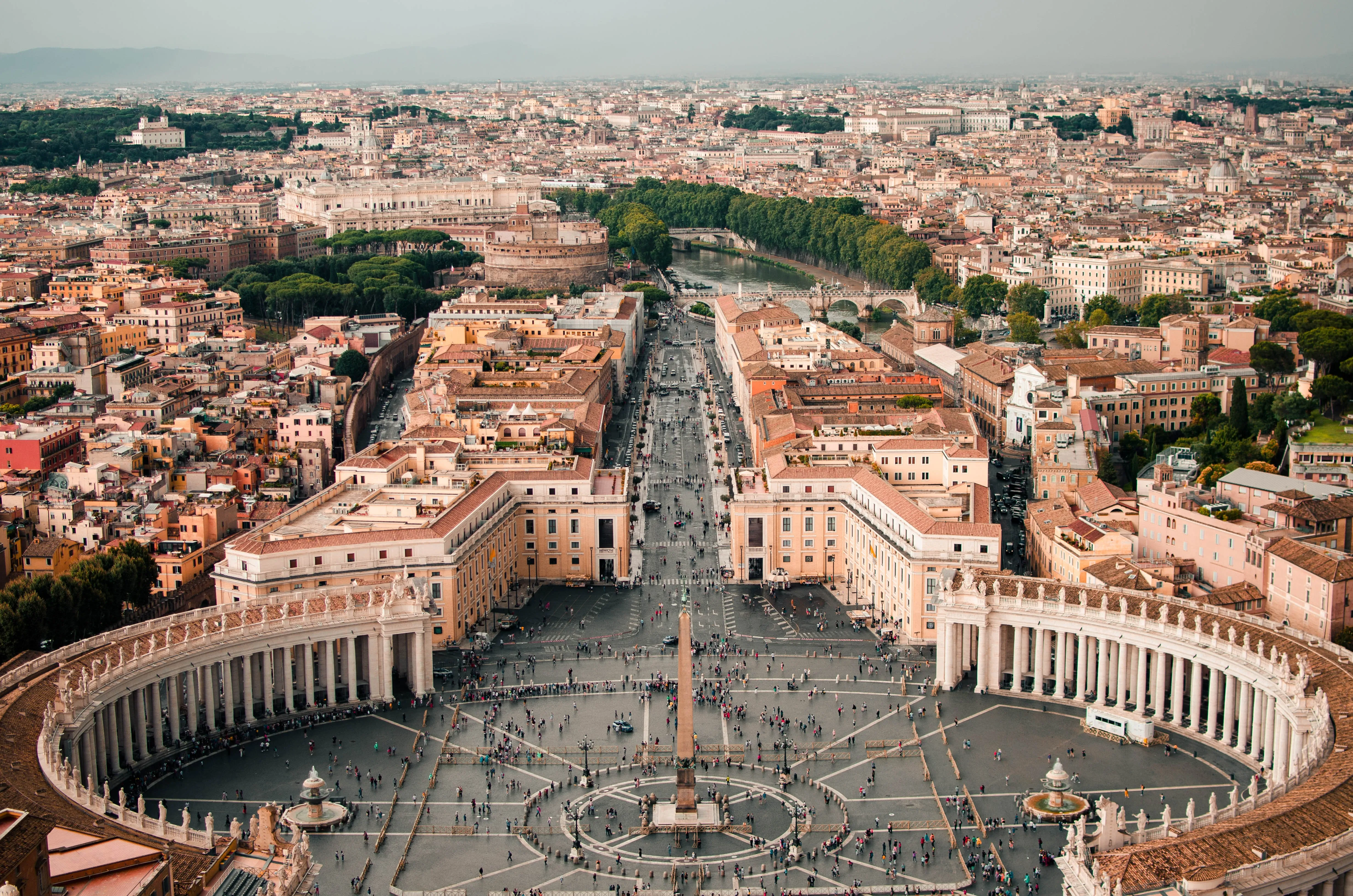
Not every traveler should default to Termini. Depending on your hotel, arriving at stations like Trastevere or Ostiense and continuing by taxi or local transit can be faster and less crowded. Likewise, selected bus stop patterns may place you closer to Vatican-area stays or specific neighborhoods.
A useful strategy is to map your final 1-2 kilometers before booking. That final segment often determines whether a theoretically fast transfer becomes genuinely easy—or unexpectedly tiring with heavy luggage and complicated street navigation.
Why this short journey matters
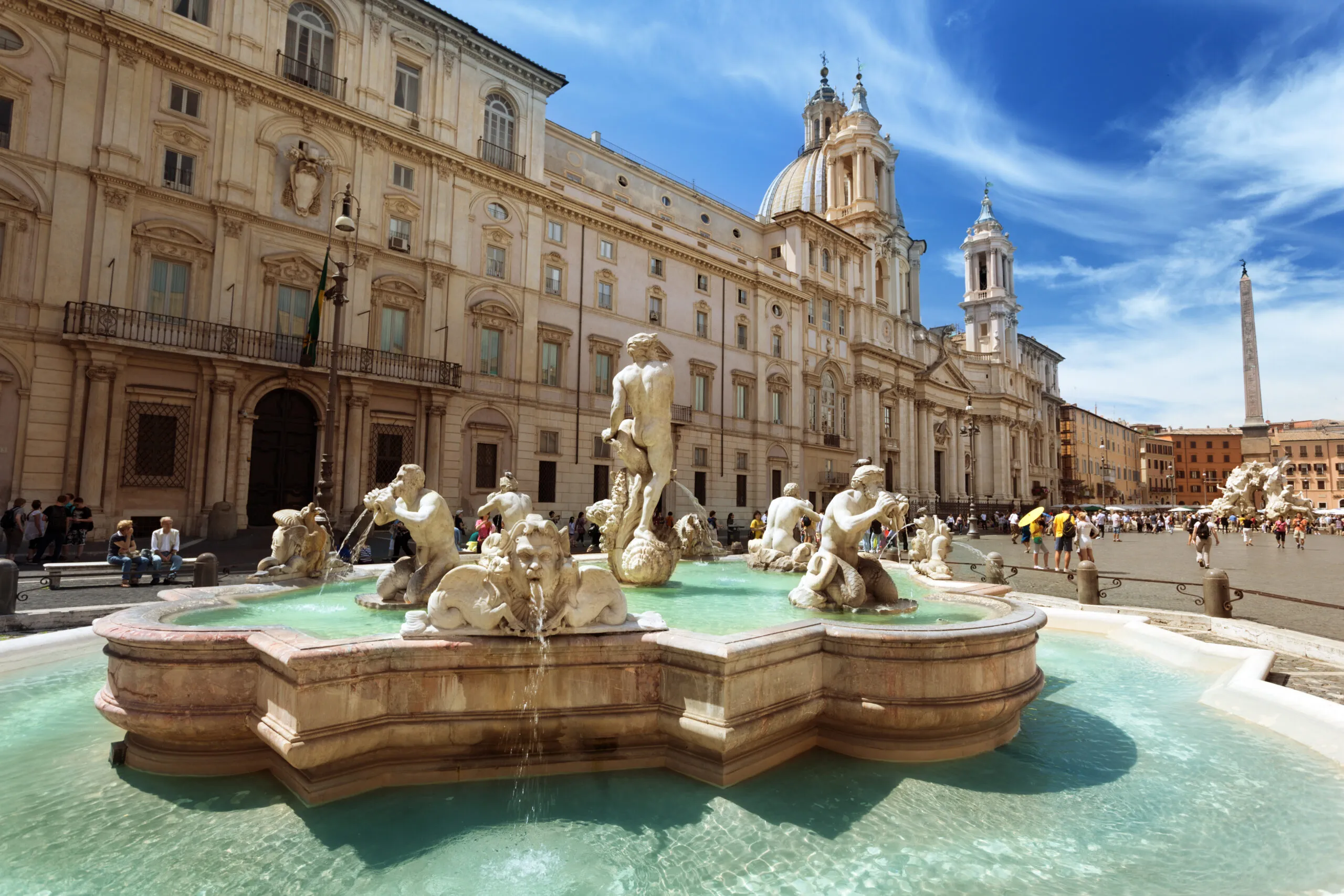
A transfer from Fiumicino to Rome center may look like a simple practical step, yet it often shapes a traveler’s emotional first impression of the city. A smooth connection creates momentum: you feel oriented, capable, and ready to explore. A confusing one can drain time, energy, and budget before your trip truly begins.
That is why transfer planning deserves attention. This route sits at the intersection of infrastructure, urban life, and visitor experience. Choose well, and your first chapter in Rome starts with clarity, comfort, and the sense that the Eternal City is opening its doors exactly as it should.
Table of Contents
Before FCO: Rome and its coastal gateways
Long before Fiumicino became a household name on departure boards, Rome already depended on coastal gateways for trade, grain, military movement, and diplomatic exchange. In imperial times, nearby port systems such as Ostia and Portus connected the city to Mediterranean routes, feeding both everyday markets and the machinery of empire. Even then, the logic was familiar: people and goods arrived at the coast, then moved inland toward the urban heart by whatever infrastructure the era could sustain.
That same geographic logic survives in modern form. Today’s transfer from FCO to Rome center follows a contemporary version of an ancient pattern: coastal entry, inland distribution, and centralized urban convergence. What changes are the tools—high-capacity rail, coach operations, digital ticketing, and integrated mobility networks—but the core movement remains surprisingly constant across centuries.
How Fiumicino became Rome’s main airport
Rome’s aviation story expanded dramatically in the post-war decades, as international tourism, business travel, and long-haul routes grew faster than older airport facilities could comfortably handle. Fiumicino, officially Leonardo da Vinci Airport, developed as the city’s primary global gateway, built to process larger aircraft volumes and increasingly complex passenger flows.
As terminals expanded and airlines multiplied, one truth became obvious: the airport itself was only half the equation. The other half was reliable movement into central Rome. Every improvement in airport capacity increased pressure on transfer systems, pushing planners and operators to strengthen rail links, coach logistics, and intermodal coordination so arrivals could disperse efficiently.
Rail links and the rise of airport express travel
Airport rail changed traveler expectations in Rome. Instead of negotiating uncertain road traffic after a long flight, passengers gained a direct, timetable-driven corridor into the city. The Leonardo Express emerged as a symbolic and practical backbone: a non-stop link designed for simplicity, with minimal decision points between platform and destination.
Regional trains added another layer of utility by serving additional urban nodes beyond Termini, connecting travelers to districts that are not best reached through the central station. This dual structure—premium express and wider regional network—created a transfer ecosystem that supports both speed-first and cost-first strategies.
Highways, coaches, and the road to Termini
Road transfers have remained essential because they offer broad access, visible pricing tiers, and flexible boarding for travelers with heavy luggage, family groups, or accommodation needs not perfectly aligned with rail stations. The highway axis between Fiumicino and Rome has gradually become one of the city’s most traveled arrival corridors.
Coach operators evolved from simple point-to-point service into a competitive market with varying stop patterns, comfort levels, and reservation policies. For many visitors, especially budget travelers and students, these buses represent an accessible bridge between international arrival and neighborhood-level exploration.
The modern transfer ecosystem
Today, Fiumicino-to-center travel is not one service but an ecosystem: express rail for speed, regional rail for network flexibility, coaches for value, and private or shared rides for tailored convenience. Digital booking platforms have made these choices easier to compare, but they have also increased the need for clear guidance so travelers understand trade-offs before buying.
Interesting fact: in peak tourism windows, a difference of just 15 minutes in planned departure can significantly change your real door-to-door arrival time, especially for road options. That is why experienced travelers increasingly think in terms of total journey chain—airport exit, wait time, transfer duration, final-mile movement—not just advertised in-vehicle minutes.
Why Termini remains the key urban hinge
Roma Termini is more than a station: it is a mobility hinge where airport arrivals connect to metro lines, regional trains, taxis, buses, and walkable hotel zones. Its strategic role explains why so many transfer products prioritize it as a final stop even when travelers continue elsewhere.
For first-time visitors, Termini’s scale can feel intense, but it offers a practical advantage: almost every onward transport pattern starts from here. In operational terms, concentrating flows at a major node increases resilience and gives passengers multiple backup options if one leg of the plan changes.
Passengers, seasons, and city rhythms
Rome’s transfer rhythm changes throughout the year. Spring and autumn bring high tourism demand with relatively stable weather; summer adds heat and dense flight schedules; winter introduces holiday peaks and occasional disruptions. Each season influences queue length, road congestion, and platform pressure in measurable ways.
Seasoned travelers adapt by choosing service types strategically: express rail for predictability at rush moments, buses for cost efficiency in lower-pressure windows, and pre-booked shuttles for comfort during family or group arrivals. The transfer is short on paper, but timing intelligence makes a real difference in lived experience.
Crowds, safety & accessibility
Like every major international gateway, Fiumicino can become crowded at wave arrival times. Keep belongings close, follow official signage, and rely on marked operator zones rather than unsolicited offers. Simple habits—confirming your ticket details, checking bay numbers, and keeping your accommodation address visible—reduce errors dramatically.
Accessibility has improved significantly across airport and city transfer infrastructure, but real-world conditions still vary by route, rolling stock, and final stop environment. Travelers with specific mobility needs get the best outcomes by requesting assistance in advance and confirming service compatibility before departure day.
Local life along the arrival corridor
Even on an airport transfer, you glimpse fragments of Roman daily life: commuting workers, neighborhood stations, layered architecture, and the visual contrast between modern logistics zones and centuries-old urban fabric. The journey quietly introduces the city’s personality before you visit a single monument.
Interesting fact: many locals use parts of the same mobility network as visitors, especially regional rail interchanges and central bus corridors. This overlap means airport transfer systems are not isolated tourist channels; they are deeply woven into the city’s broader transport heartbeat.
How to choose smartly today
Smart transfer planning starts with your true final destination, not just ‘Rome center’ as a generic label. If you stay near Termini, Leonardo Express is often unmatched for simplicity. If you stay near another rail-linked district, regional trains may reduce total transit time. If you prioritize budget and have flexible timing, shuttle buses are often excellent value.
Also weigh practical variables: number of bags, arrival time, kids, mobility needs, and tolerance for route changes. The best choice is rarely the one with the lowest sticker price alone; it is the one that minimizes friction across the full arrival chain from baggage claim to hotel check-in.
Sustainability and future mobility
As passenger numbers rise, transfer planning increasingly includes sustainability goals: better rail share, cleaner bus fleets, smoother interchanges, and fewer inefficient empty runs. Airport-to-city transport is becoming a key test area for how major destinations can reduce emissions without reducing accessibility.
Rome’s future transfer landscape will likely depend on continuous investment in rail reliability, real-time passenger information, and integrated ticket ecosystems. Travelers benefit directly when these systems work well: fewer delays, clearer choices, and a gentler environmental footprint per journey.
Alternative drop-off strategies
Not every traveler should default to Termini. Depending on your hotel, arriving at stations like Trastevere or Ostiense and continuing by taxi or local transit can be faster and less crowded. Likewise, selected bus stop patterns may place you closer to Vatican-area stays or specific neighborhoods.
A useful strategy is to map your final 1-2 kilometers before booking. That final segment often determines whether a theoretically fast transfer becomes genuinely easy—or unexpectedly tiring with heavy luggage and complicated street navigation.
Why this short journey matters
A transfer from Fiumicino to Rome center may look like a simple practical step, yet it often shapes a traveler’s emotional first impression of the city. A smooth connection creates momentum: you feel oriented, capable, and ready to explore. A confusing one can drain time, energy, and budget before your trip truly begins.
That is why transfer planning deserves attention. This route sits at the intersection of infrastructure, urban life, and visitor experience. Choose well, and your first chapter in Rome starts with clarity, comfort, and the sense that the Eternal City is opening its doors exactly as it should.